Content:
The watch industry is full of fascinating details, but some of them are more than just fun facts — they help retailers and brand owners make better sourcing decisions.
Here are a few insights we often share with our clients when they start developing their own watch line:
- 1. Quartz technology changed the entire industry
- Quartz movements are extremely accurate, low-maintenance, and cost-efficient, which is why they remain the most popular choice for global retail and wholesale today.
- 2. A watch’s crystal and magnifier matter
Mineral glass, sapphire glass, and date magnifiers (“cyclops”) all influence durability and perceived value. Choosing the right type depends on your market and pricing strategy. - 3. Watches built for extreme conditions exist
From NASA-approved chronographs to shock-resistant constructions, durability standards vary widely. For daily fashion watches, stable quartz movements are still the best-selling category. - 4. Automatic watches run without batteries
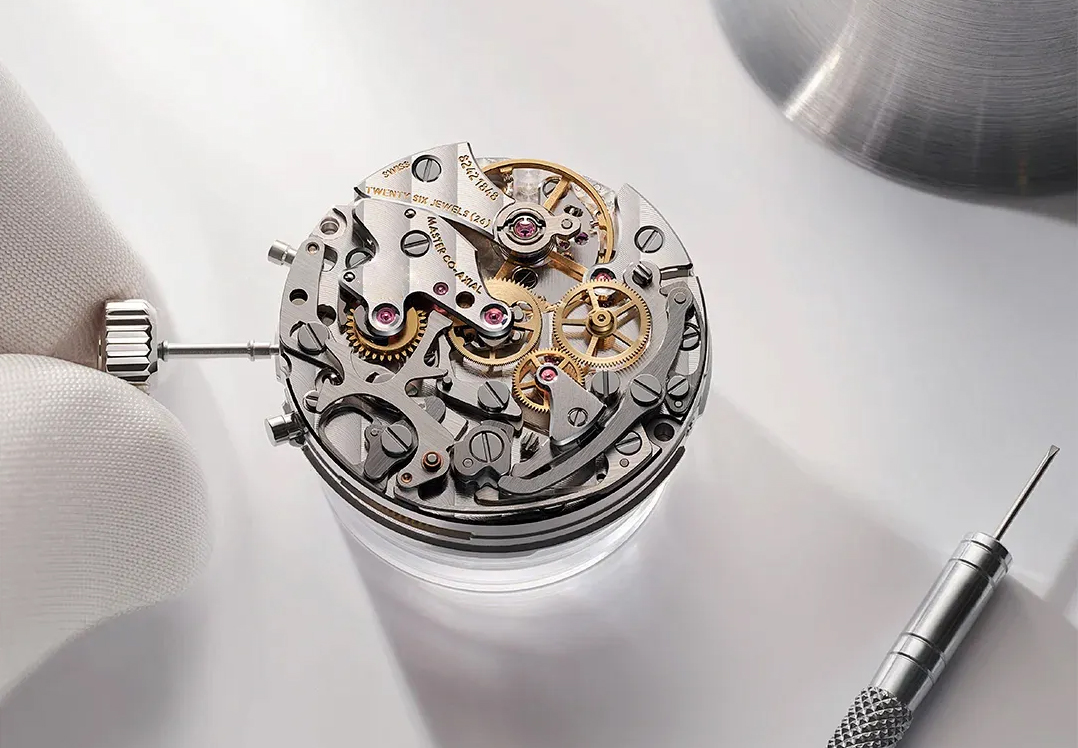
They use the natural motion of the wrist, which is why they appeal to customers looking for craftsmanship or traditional mechanical engineering. - 5. Rotating bezels are not just decoration
Originally designed for divers to track underwater time, this feature is now a popular style element for sports watches in the Middle East and Europe. - 6. “Complications” influence cost & craftsmanship
Date, chronograph, moon phase, dual-time…
The more complications, the higher the production difficulty — something retailers should consider when planning a new collection. - At Yonghong, we help clients choose the right movements, materials, and features based on their region and business goals.
If you’re planning to develop your next watch collection, feel free to contact us — we’re here to support OEM & ODM projects from idea to delivery.
